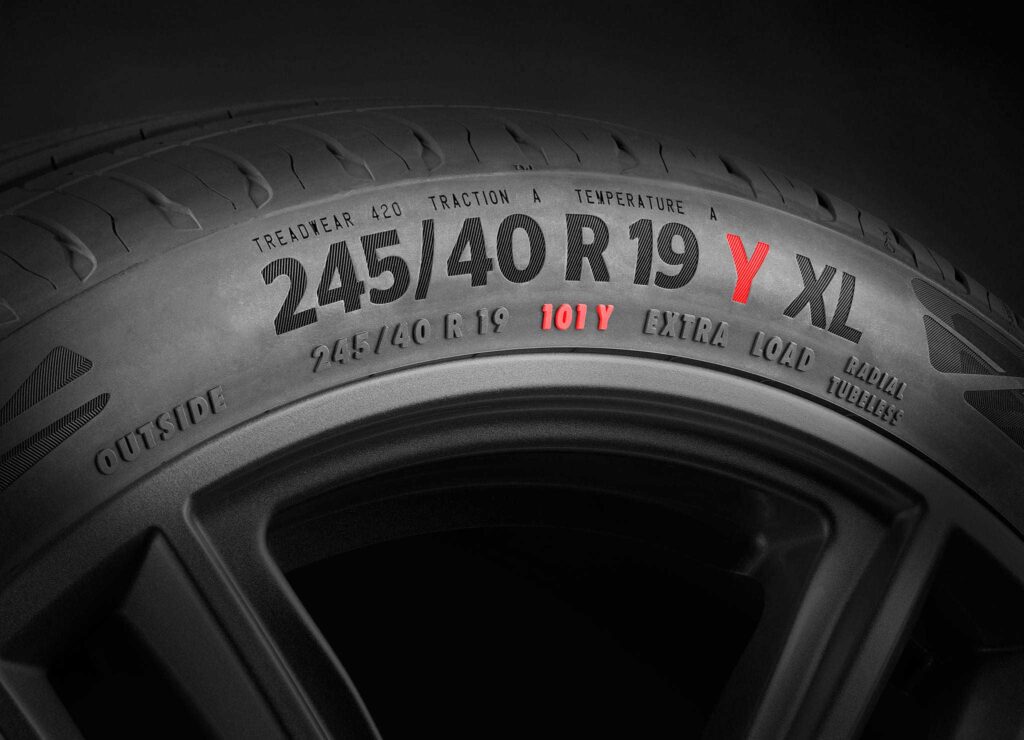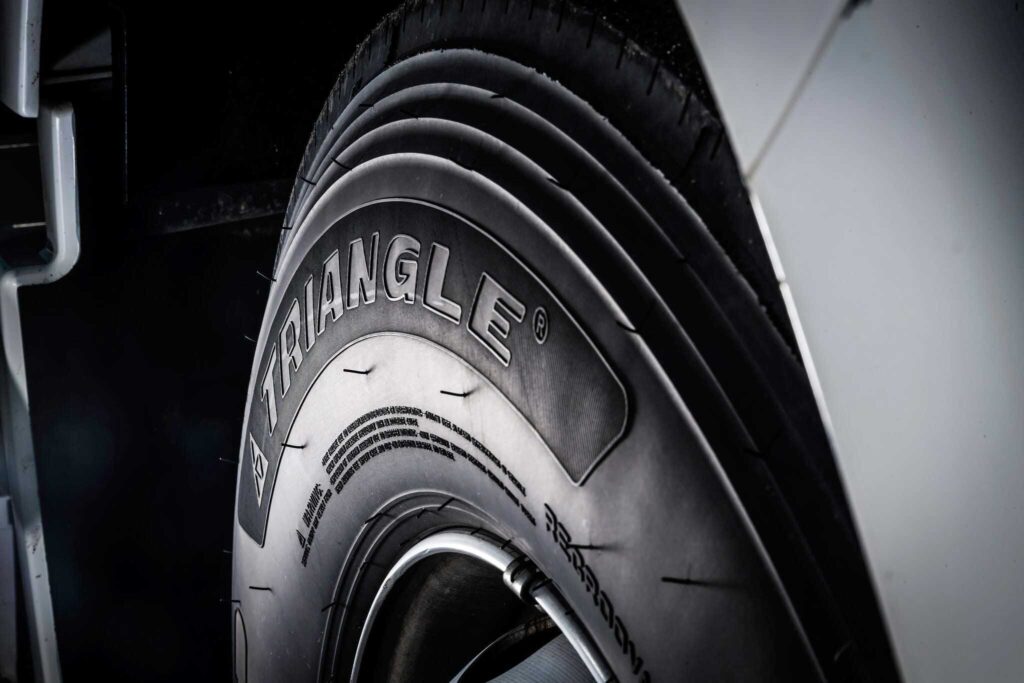
Contrary to popular belief, tyres are not designed to carry the weight of your vehicle; they’re designed to hold air, which in turn carries the weight of your vehicle. With this in mind, you’ll notice a direct correlation between the maximum load capacity – printed on the side of your tyres – and the maximum air pressure the tyre can safely handle. More air pressure = More load capacity.
Naturally, the opposite is true, too.
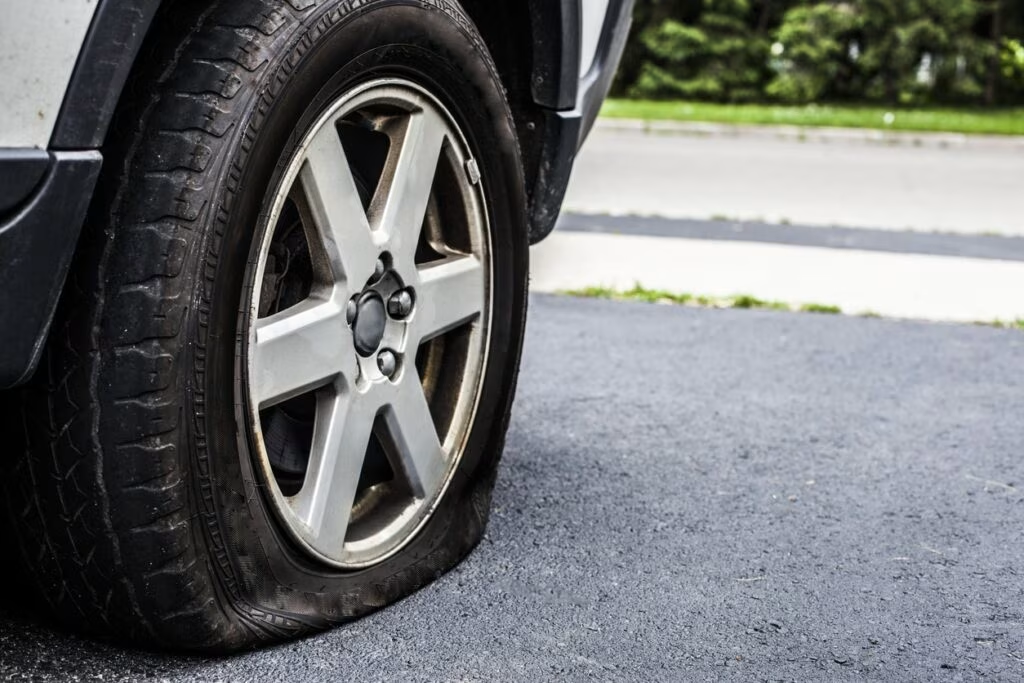
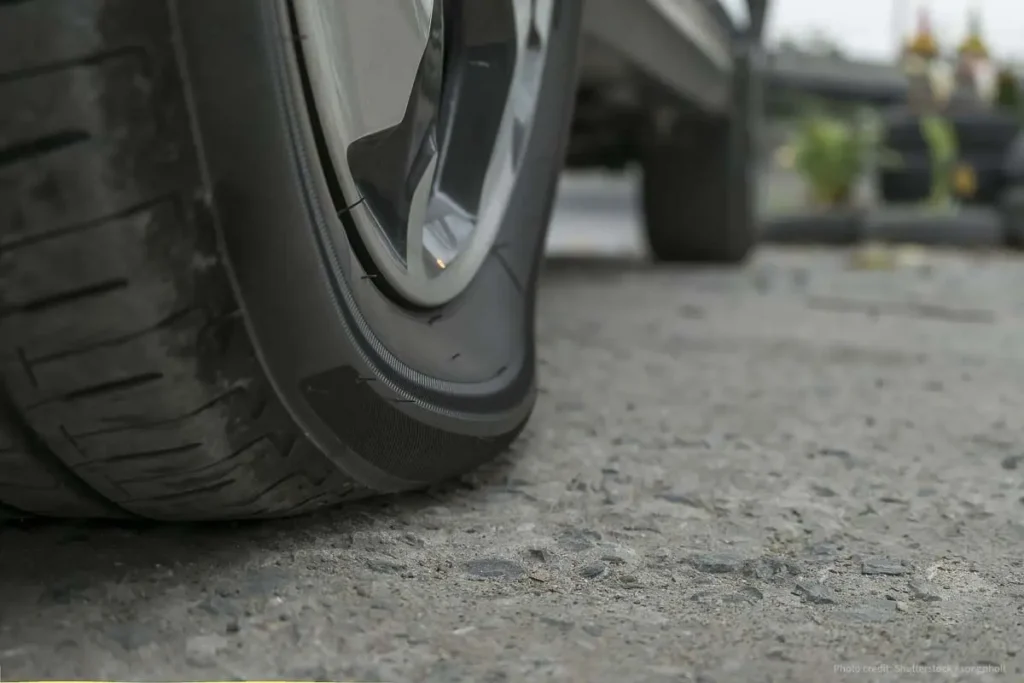
This fact explains why under-inflation is so detrimental to a tyre because, as the air pressure drops, the vehicle’s mass exceeds what the tyre can structurally handle; thus, permanent damage occurs. However, under-inflation has several more negative effects aside from structural tyre damage.
Impact on Cornering
Your vehicle’s ability to corner quickly – or evasively swerve around an obstacle – depends entirely on the rigidity of your tyres, which is why racing/rally vehicles typically use low-profile tyres, or tyres with reinforced sidewalls. Stiffer sidewalls allow for sharper cornering.
Once again, the opposite is true, too. Under-inflated tyres tend to flex, roll, or wallow through hard turns, so much so that your vehicle’s roll-over risk significantly increases with under-inflation.
Treadwear & Fuel Economy
Under-inflated tyres have a larger contact area with the road; this added footprint leads to increased friction, heat build-up, accelerated tread wear, and higher fuel consumption.
Heat Build-Up
As mentioned above, under-inflation is a leading cause of heat build-up. Once a tyre reaches dangerous temperature levels, the risk of a “blowout” – or the total disintegration of the tyre – radically increases.
On that note, it’s critically important to reduce your vehicle’s speed – regardless of the terrain – if your tyres are under-inflated.
Hard Steering
Under-inflated tyres will reduce your vehicle’s steering response while negatively increasing its steering resistance.
With these things in mind, it is important to ensure that you frequently check your tyre pressure. Maintaining appropriate pressure in all of your tyres helps to guarantee you and your family’s safety on the road.